Event
Visuals
with Unreal Engine
Challenge
In the event industry, visuals are often created with software inspired by DJing and video editing workflows. Programs like Resolume, Modul8, or Arkaos adopt clip- and layer-based designs and their user interfaces are not well-suited for dynamic live visual performance. Many essential tasks, such as music-synchronized playback or precise audio-video timing, are hidden behind complex menus or require workarounds, which can introduce latency and reduce reliability during live shows. While these tools allow for some real-time manipulation, they are limited in flexibility.
Generating complex, interactive, or adaptive visuals often requires intricate pre-planning or pre-rendering rather than spontaneous creativity on stage. As a result, event visuals, especially in non high end productions, frequently feel static or pre-programmed, and performers must constantly balance technical feasibility with artistic ambition, making it difficult to deliver fully immersive and responsive experiences to the audience.
Approach
Interactive, beat-synced live visuals share many requirements with modern video games: both need to run in real time with low latency, and allow dynamic operation without drawing the operator’s attention away from the stage. By building my own system in Unreal Engine and using hardware designed for gamers, I was able to overcome the limitations of older tools. In addition, Unreal Engine is always at the cutting edge of computer science, making the system future-proof and ready for further innovations.
This project has been in development since January 2024. It began as a prototype built with Python (GitHub link at the Bottom). I built the entire system in my free time alongside a full-time job, teaching myself the necessary tools and techniques along the way.
Outcome
Input Data
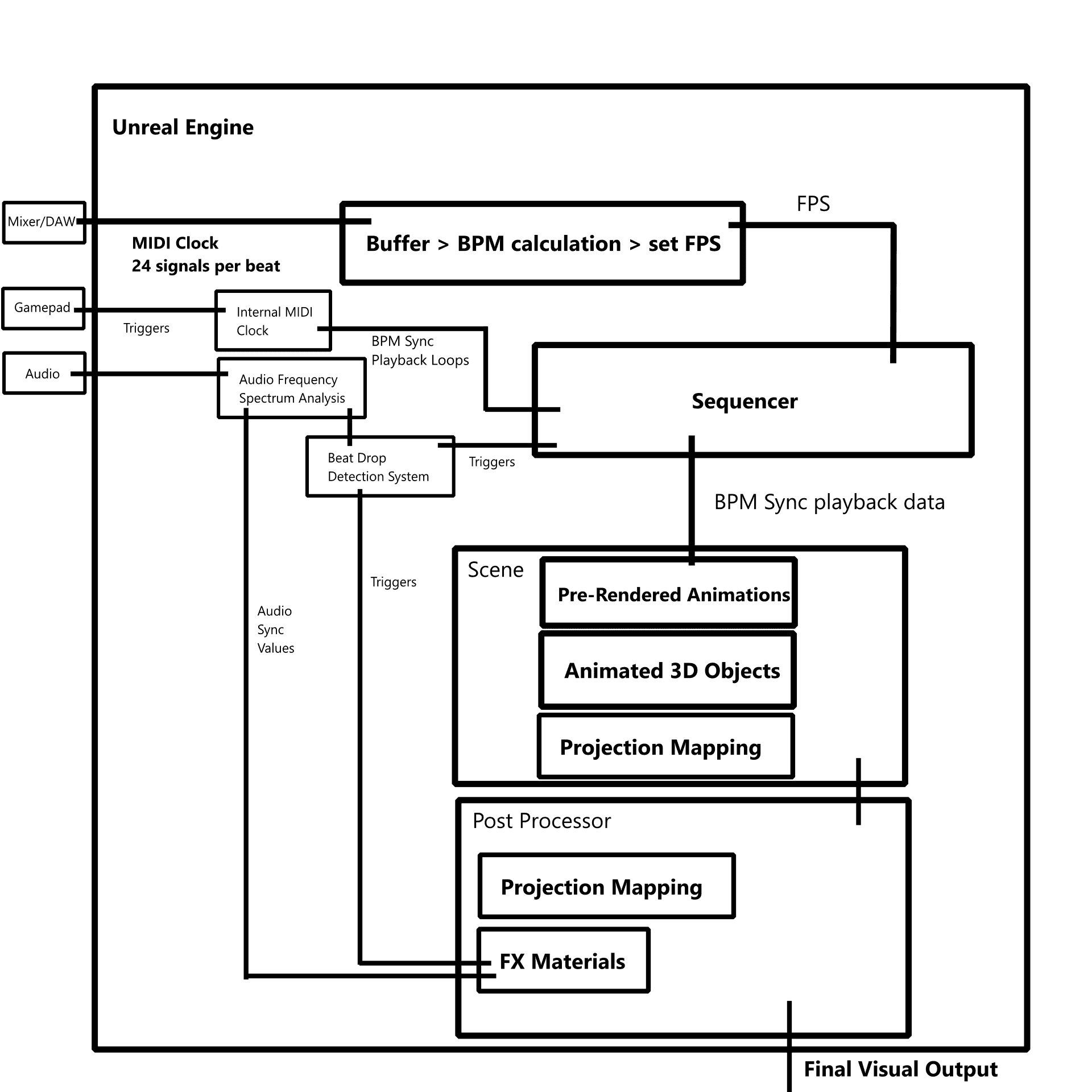
For input data my setup supports MIDI clock, audio signal, and gamepad controls.
MIDI clock and audio are used for automated control, but are not strictly required.
These signals drive the sequencer, post-processing materials, and particle systems.
BPM Sync
The core of the system is video playback synchronized to music.
Video playback speed is measured in frames per second (FPS), while music speed is measured in beats per minute (BPM).
The playback speed is calculated as: FPS = BPM / 4
This results in 15 frames per beat and 60 fames per bar. The BPM source can be set manually or automated via MIDI clock from Pioneer mixers and other common DJ setups. The MIDI clock sends 24 pulses per beat with an accuracy of 1-2ms. These are buffered in a fine-tuned calculation for accurate sync.
Beat synchronization can also be triggered manually or automated via audio input with a beat drop detection system, particularly effective for electronic dance music.
Pre-rendered Videos
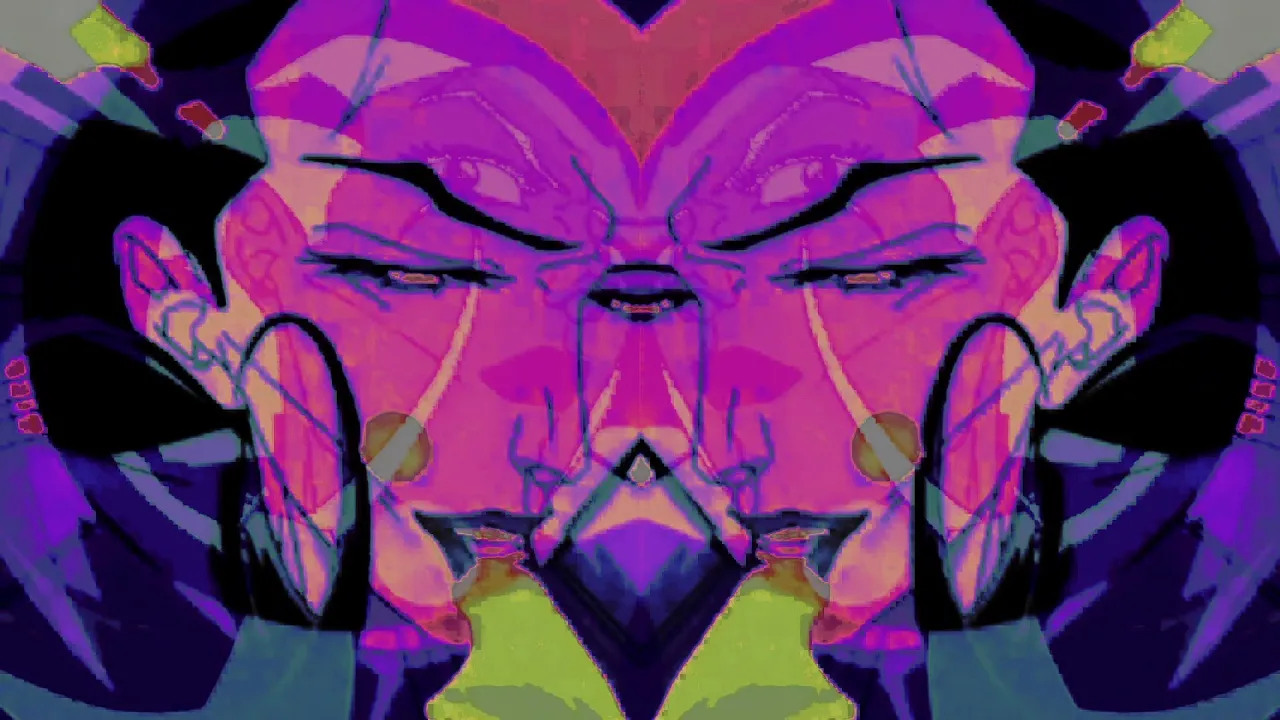
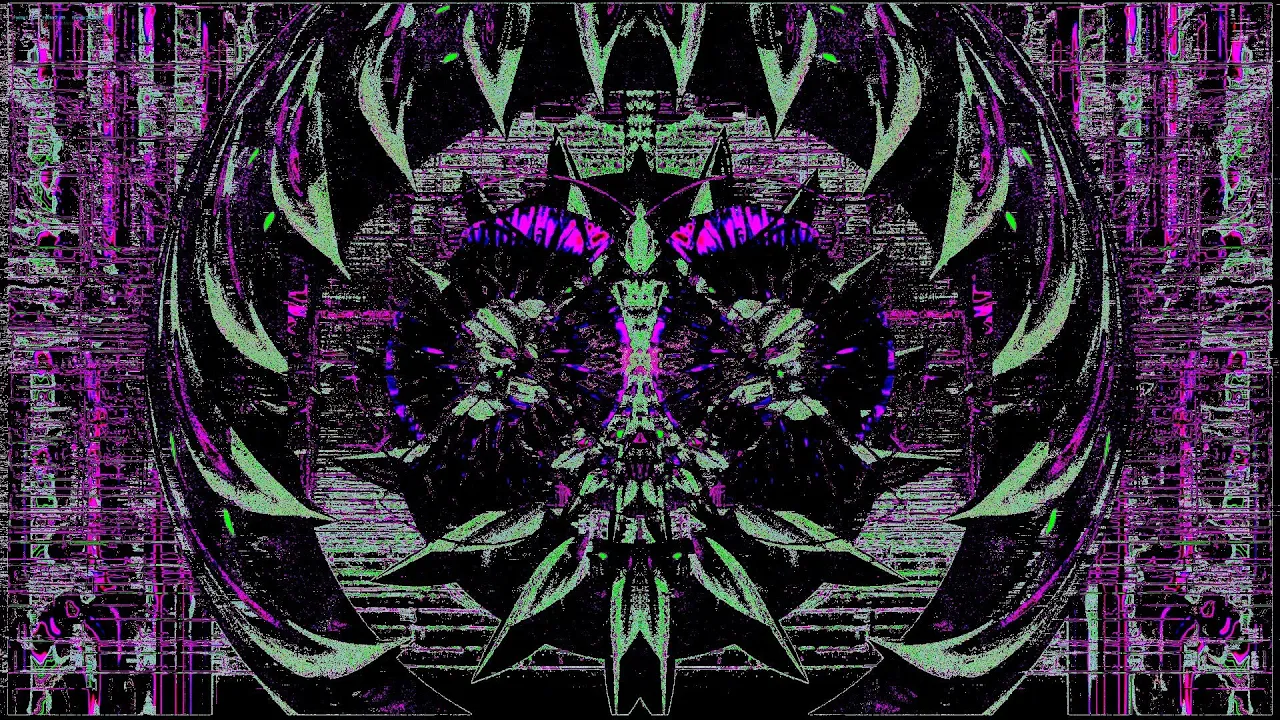
Video loops with rhythmic movements of 15, 30, 60… frames are stored as PNG, JPG or EXR sequence. This makes frame-accurate playback possible. PNG-Files also have an alpha channel, this means every pixel of every frame has an opacity value, making overlays possible.
Loop & Stutter FX
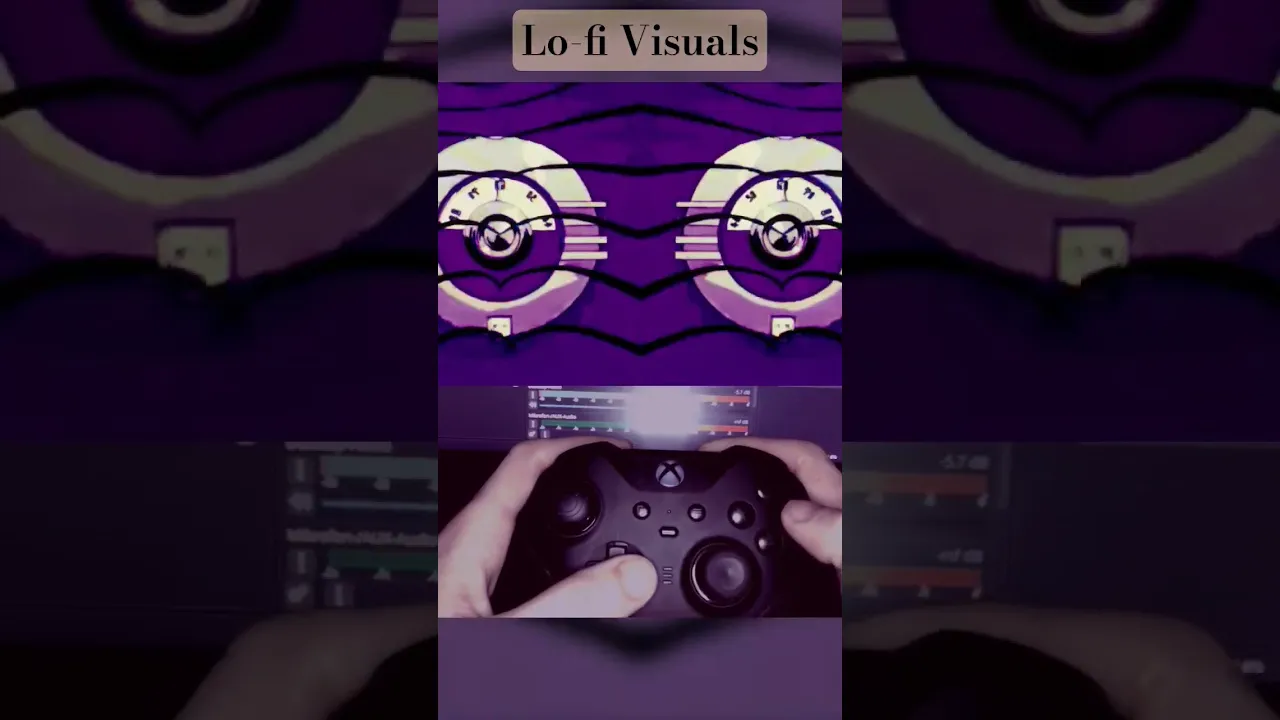
Different loop and stutter effects can be triggered via the gamepad.
They are driven by an internal MIDI clock matching the music’s BPM.
This clock triggers events at the start of each beat and bar, controlling playback position and direction.Loop length can be halved for visual build-up effects that match common DJ techniques.Beat sync vibrations of the gamepad, give feedback that a Loop is currently playing and if everything is in sync.
Post-Processing
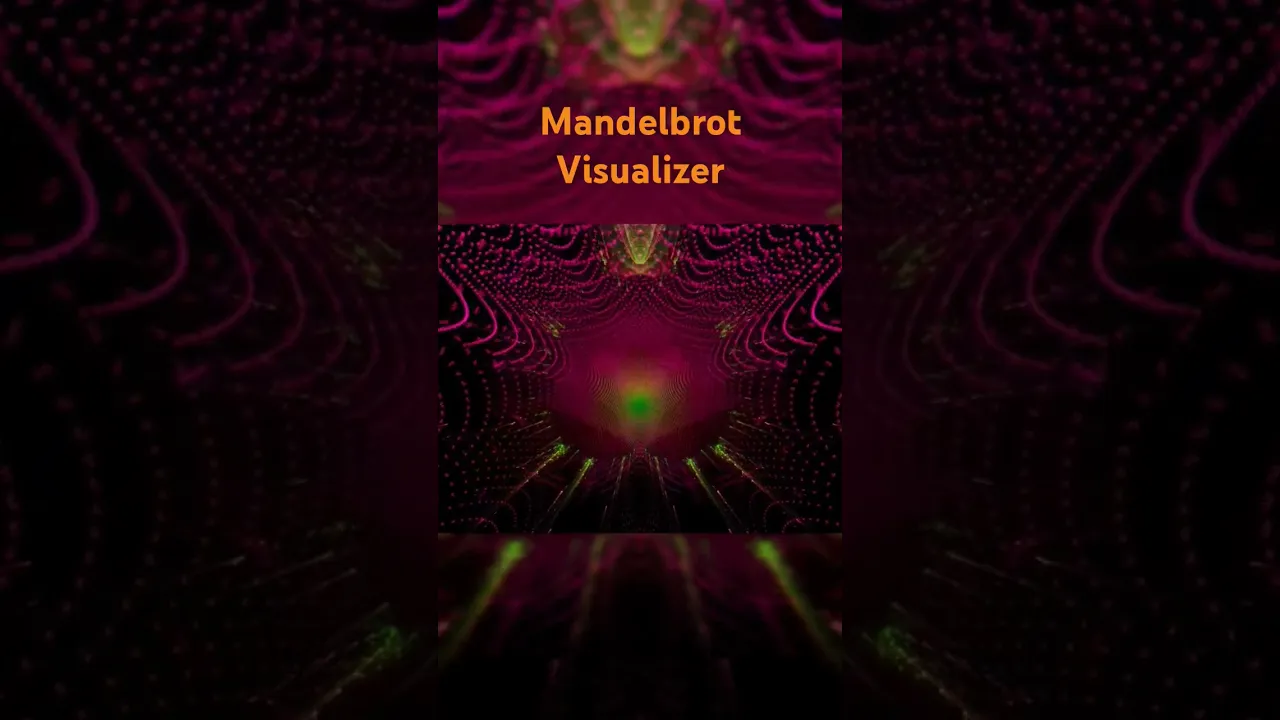
Post-processing materials provide a variety of effects, either BPM-synchronized or directly controlled by audio amplitude. The gamepad allows for further controll via the sticks. For greater creative flexibility, i used Custom HLSL-Scripts.
Visual Mapping
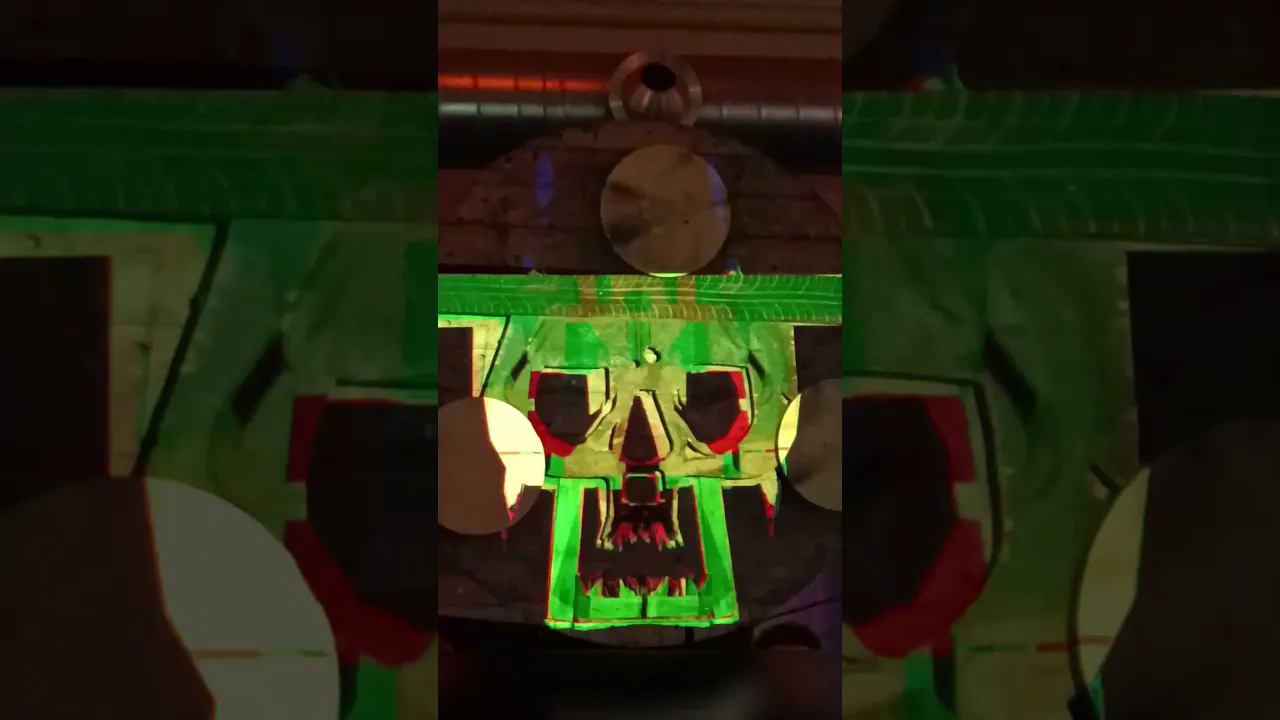
Because Unreal Engine is a 3D engine, visual mapping is relatively straightforward. I use Rhinoceros 3D (CAD) to prepare the mappings. If I have the planned stage design in advance, I model it in 3D and later align everything precisely at the event. Cutouts—such as the area where the DJ stands or overlapping elements—are adjusted on-site once the projector is set up. I then create a black-and-white 2D mask, which is applied as a texture in every post-process material and multiplied onto the final output.
Projector
For projection, I use a DLP Optoma UHD38. Its gaming mode significantly reduces input lag, which makes it well-suited for my visuals that feature fast-moving objects and must remain tightly synced with the music.
4K resolution is essential for large stages and screens. Although my pre-rendered animations are limited to 1080p for performance reasons, the post-processing effects, particle systems, and 3D objects are rendered in 4K, enhancing the overall resolution and sharpness of the final visuals.
Gamepad as a Bridge to the Audience
Using a Bluetooth gamepad for controls opens up new possibilities. You can mingle with the crowd, feel the mood on the dancefloor firsthand, and see the stage from their perspective. Many people ask what exactly I’m doing, when they see me on the dancefloor with a gamepad and whenever this happens, I try to give them the controller and encourage them to try it for themselves. Unfortunately, many feel overwhelmed by the opportunity. However, there have been occasions where I didn’t get the gamepad back for several hours. I have always enjoyed interactive elements at music events myself and are looking for ways to make it more inviting for visitors to engage with my visuals.
Long-Term Visions
This project will remain in development as long as Unreal Engine continues to be a leading tool for real-time graphics. The long-term vision is to create a fully unified experience of light and music, with completely automated controls that can adapt to any requirements. Planned features include:
DMX output for stage lighting control
Automated interactive projection mapping using LiDAR
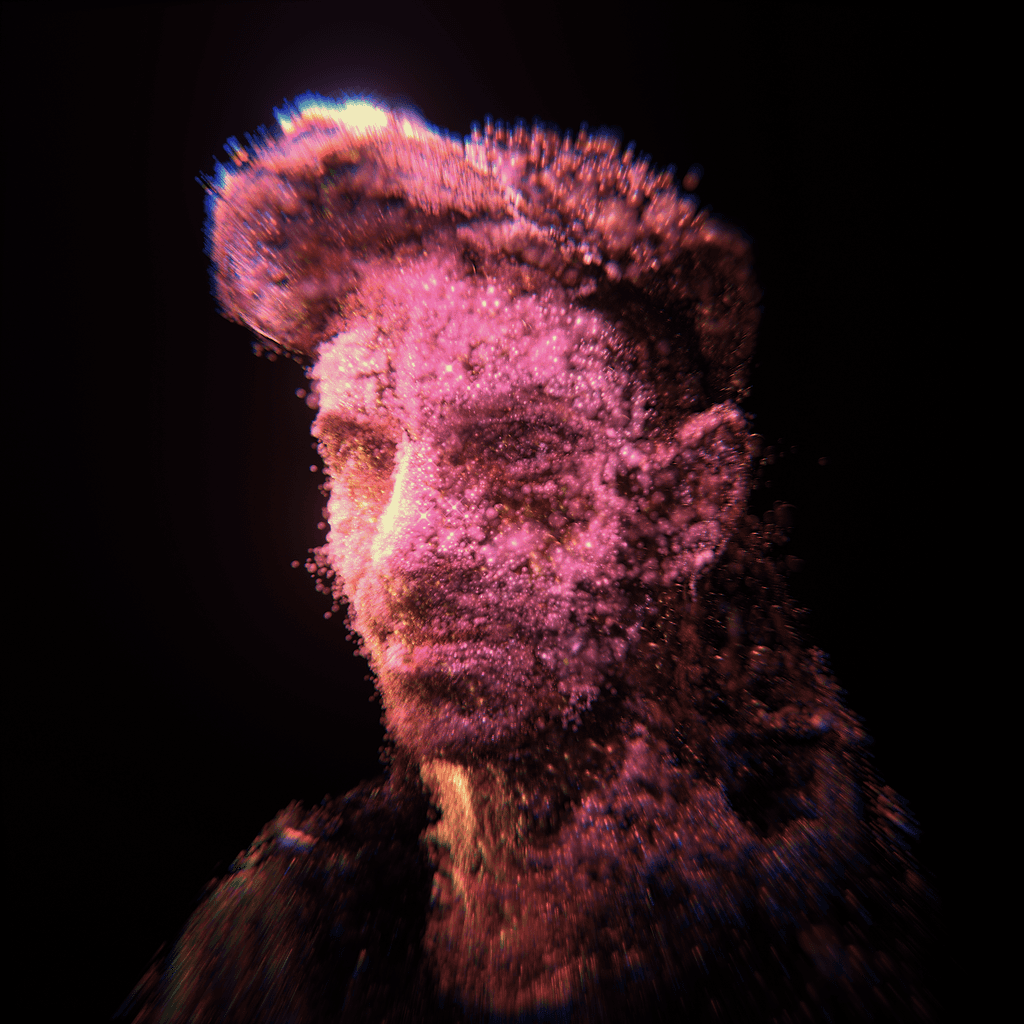
Combining Gaussian Splatting with projection mapping
Music-synchronized mini-games
Tech Stack
Unreal Engine Main Frame
Blueprints
HLSL
Niagara
Blender Video Creation
Modeling
Geometry nodes
Fractal Shaders
Keyframe Animations
Compositing
Video Editing
Stable Diffusion Video Generation
Automatic 1111
ComfyUI
Deforum
Rhinozeros 3D Visual Mapping
Grasshopper
Python Prototyping
Pygame
Numpy
My setup was used successfully at these Events:
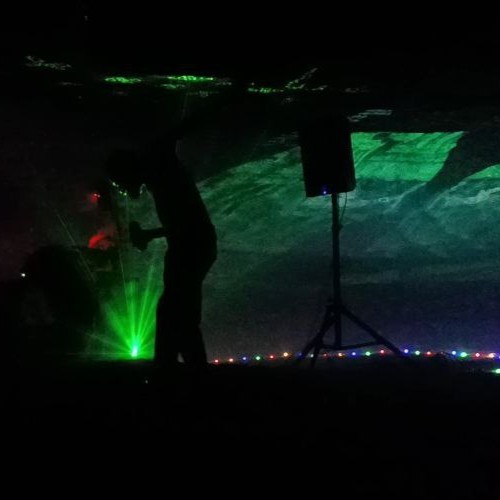
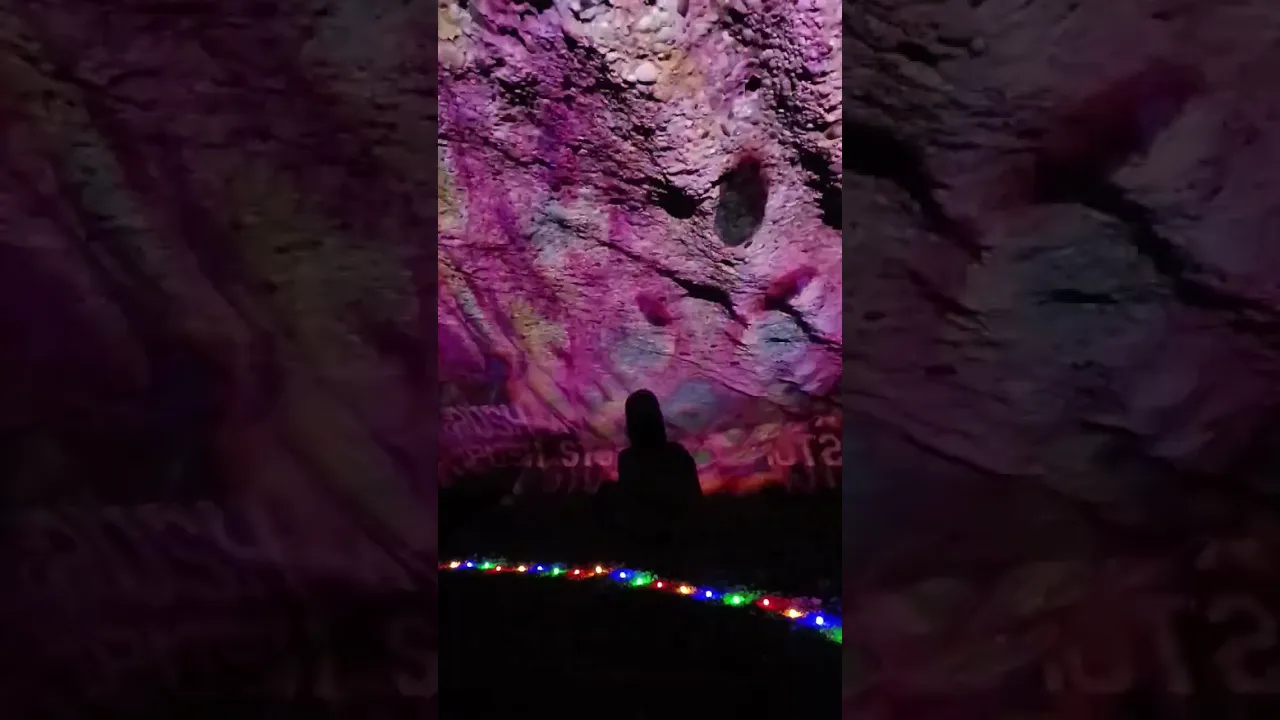
16.08.2025, Cave Rave @ Täuferhöhle, Gibswil
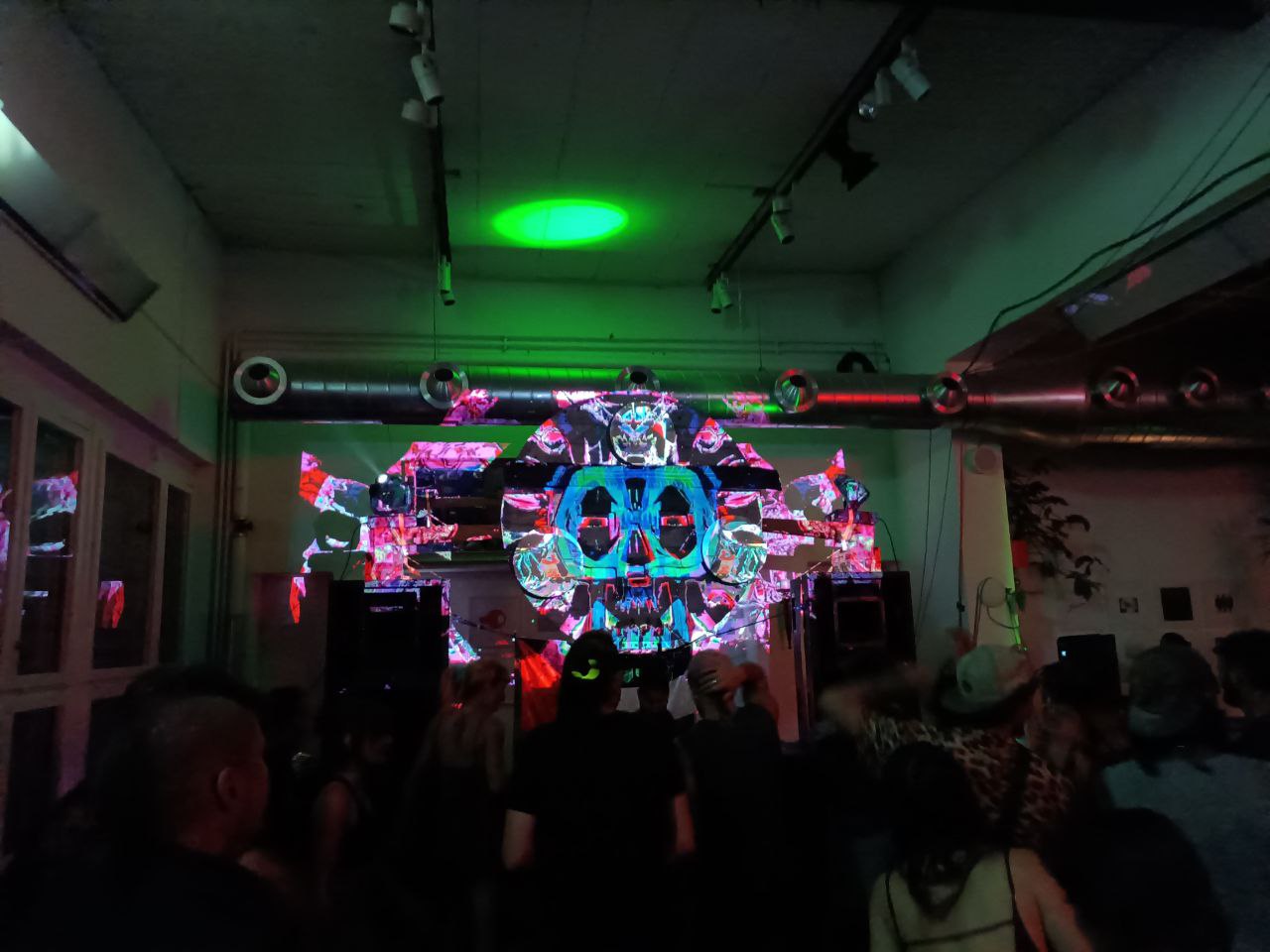
05.07.2025, Tropical Wave @ Ziegel Oh Lac, Zürich
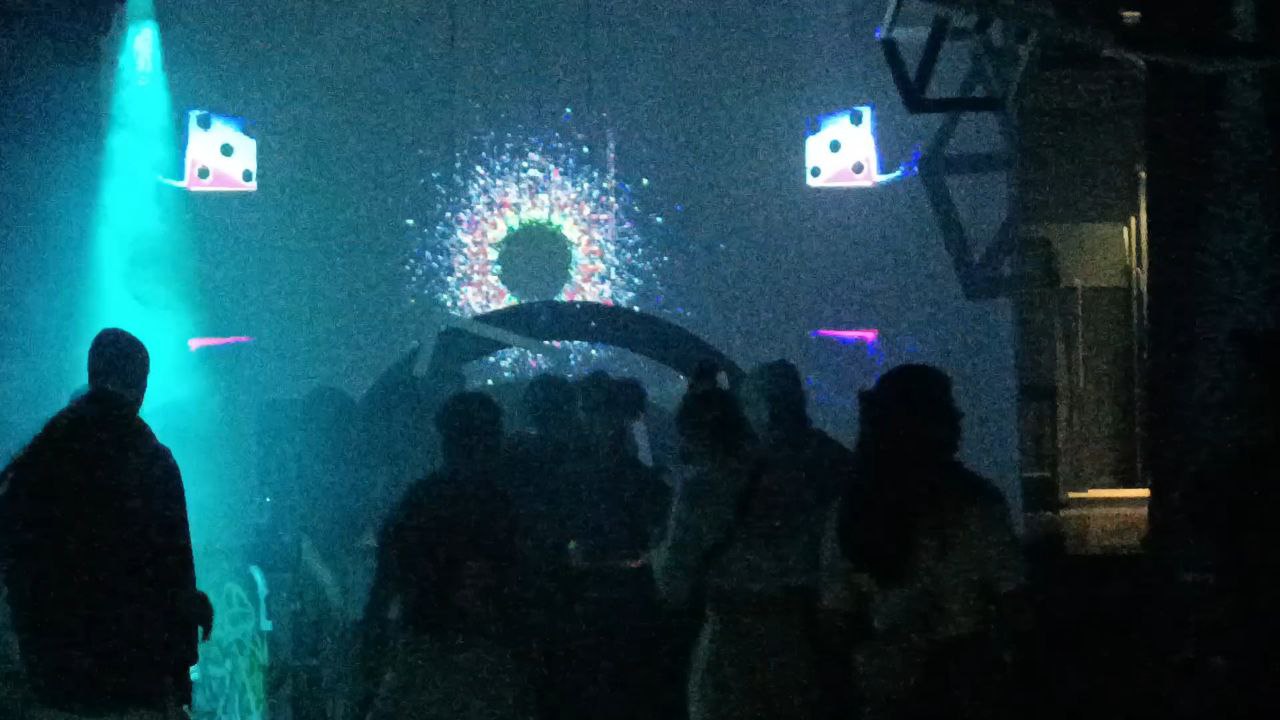
18.04.2025, Kunst & Techno @ Rote Fabrik, Zürich
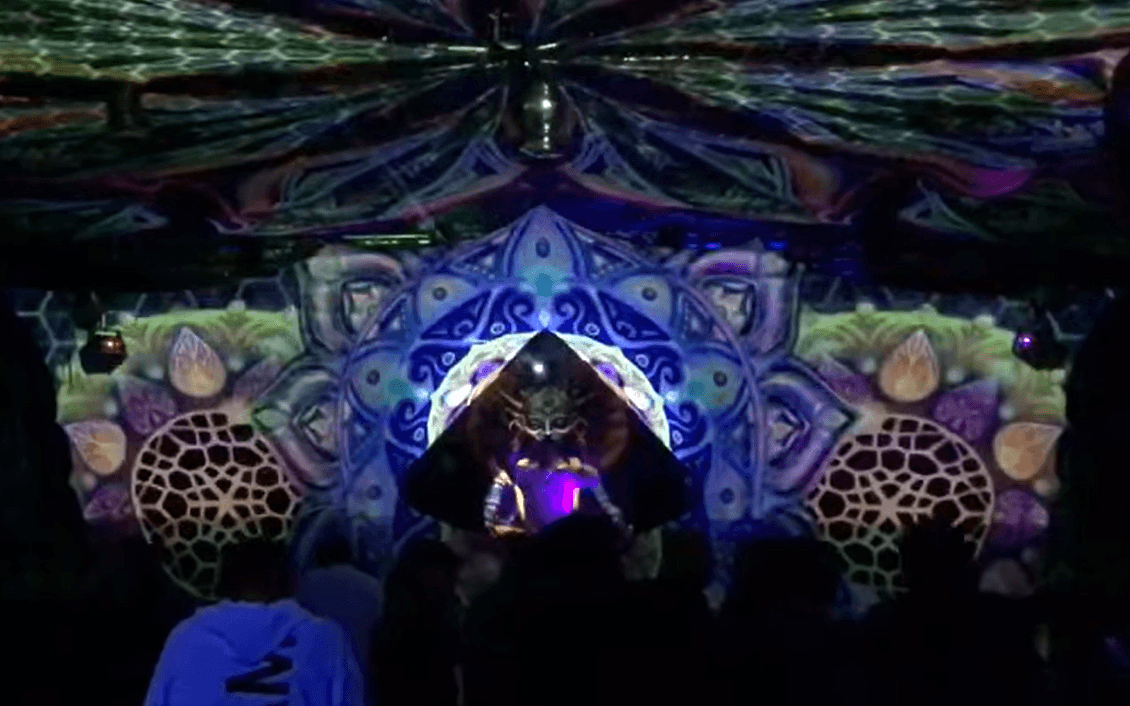
04.01.2025, The Trip @ Kulturfabrik, Wetzikon
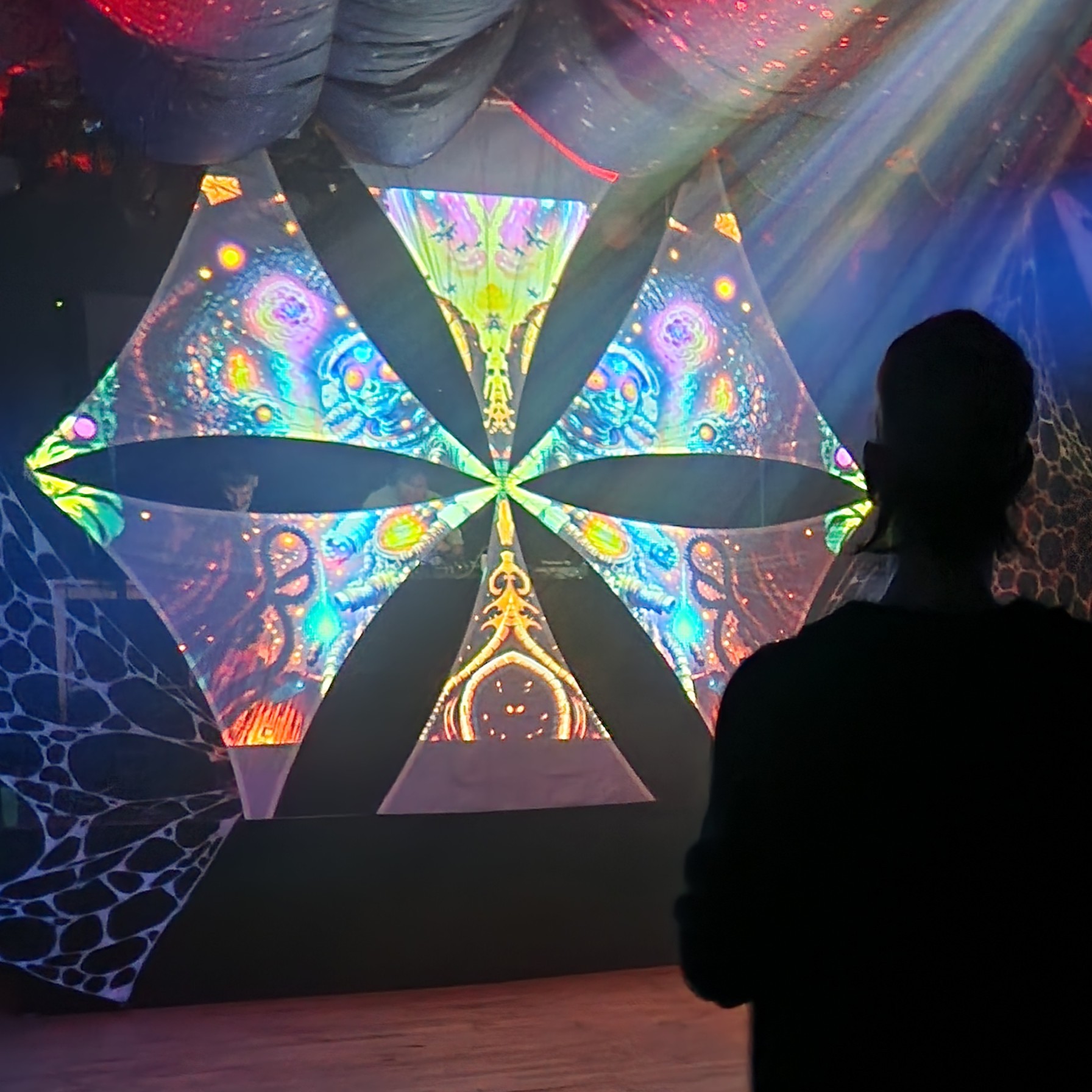
03.08.2024, mind. @ Kulturfabrik, Wetzikon
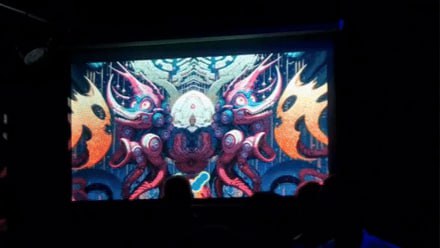
10.02.2024, Lust & Laune @ Provitreff, Zürich
Event
Visuals
with Unreal Engine
Challenge
Approach
Outcome
Long-Term
Visions
This project will remain in development as long as Unreal Engine continues to be a leading tool for real-time graphics. The long-term vision is to create a fully unified experience of light and music, with completely automated controls that can adapt to any requirements. Planned features include:
DMX output for stage lighting control
Automated interactive projection mapping using LiDAR
Combining Gaussian Splatting with projection mapping
Music-synchronized mini-games
Tech Stack
Unreal Engine
Blueprints
HLSL
Niagara
Blender
Modeling
Geometry nodes
Fractal Shaders
Keyframe Animations
Compositing
Video Editing
Stable Diffusion
Automatic 1111
ComfyUI
Deforum
Rhinozeros 3D
Grasshopper
Python
Pygame
Numpy
My setup was used successfully at these Events:
16.08.2025
Cave Rave
@ Täuferhöhle, Gibswil
05.07.2025
Tropical Wave
@ Ziegel Oh Lac,
Zürich
18.04.2025
Kunst & Techno
@ Rote Fabrik, Zürich
04.01.2025
The Trip
@ Kulturfabrik, Wetzikon
03.08.2024
mind.
@ Kulturfabrik, Wetzikon
10.02.2024
Lust & Laune @ Provitreff, Zürich